

Eye irritation covers a lot of ground. Redness, itching, watering, and a gritty feeling under the lid can all count, and the cause is usually something ordinary in your day. Most mild cases settle within a day or two with basic care at home.
Rinse away debris with clean water or saline, rest a cool damp cloth over closed eyes, use artificial tears, and keep your hands off your eyes. If irritation comes with pain, discharge, light sensitivity, or blurry vision, see an optometrist instead.
What Irritated Eyes Look and Feel Like
Symptoms rarely repeat themselves exactly. Some days bring a faint sting that fades by lunch. Other times the whites of your eyes turn visibly pink, and your lids puff up by mid-afternoon.
Watch for a few of these:
- Redness or pink streaks across the white of the eye
- Itching or burning
- Watery eyes
- A gritty feeling, like sand caught under the lid
- Swollen or puffy eyelids
Why Just One Eye Can Feel Irritated
A stray eyelash, a speck of dust, or a bit of debris can settle in one eye and leave the other alone. A contact lens problem on one side can do the same thing.
Then you rub, and the irritation spreads to the second eye. That’s why hands off is the first rule.
What Causes Eye Irritation
Allergies account for a large share of cases. Pollen, pet fur, dust, and mold land on the surface of the eye, leaving it itchy and pink, often at the same time as sneezing and a runny nose. The allergic type isn’t contagious, so there’s no need to stay home from work or school.
Dry eye is another common culprit. Your eyes either don’t make enough tears or the tears evaporate too quickly, and the surface gets sore.
Indoor heating in January, air conditioning in August, and long stretches at a screen can all make that worse. Wind and smoke do the same thing on their own.
Eyelid inflammation and infections tied to contact lens wear round out the list. Sleeping in lenses, topping up old solution, or stretching a monthly pair past its date can all leave your eyes red and sore.
How to Soothe Irritated Eyes at Home
Start simple when symptoms flare:
- Rinse debris out with clean water or saline.
- Lay a cool, damp cloth over your closed eyes for a few minutes.
- Use artificial tears to flush lingering irritants away.
Skip the rubbing. It feels good for a second or two, then makes the itching worse.
Wash your hands often and swap in a fresh towel. Change your pillowcase more often during allergy season, since pollen travels home on your hair. And blink more often than feels natural when you’re working at a screen.

Which Eye Drops Help with Irritation
Pharmacy shelves carry several kinds, and they don’t all do the same job. Here’s how the common ones differ:
- Antihistamine drops can ease allergy-related itching.
- Redness-relief drops are intended for short-term use and primarily mask the appearance of redness rather than addressing its underlying cause.
- Lubricating artificial tears can coat a dry surface and wash irritants away.
- Preservative-free drops are a good option for anyone using artificial tears several times a day, as frequent use of preserved eye drops may increase the risk of irritation for some people.
Check the label before you buy. Some bottles combine a decongestant with an antihistamine, which can sting if your eyes are already dry.
When to Book an Eye Exam for Eye Irritation
A handful of symptoms deserve more than another round of drops. Book an exam if you notice any of these:
- Thick yellow, green, or brown discharge
- Pain or light sensitivity
- Blurry vision that doesn’t clear when you blink
- Irritation that sticks around or worsens after a few days
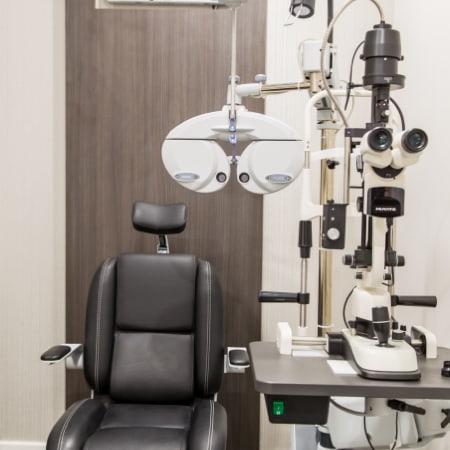
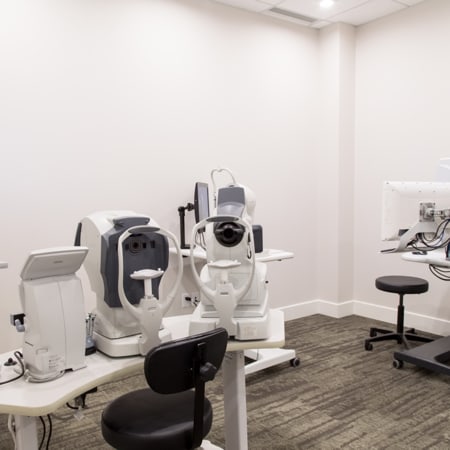
At the visit, we’ll ask about your symptoms, what seems to trigger them, and how you wear and care for your contact lenses. Testing can measure your tear quality and give us a close look at the surface of your eye.
From there, your optometrist can match a treatment plan to what’s actually driving the irritation rather than covering the symptoms.
How to Prevent Eye Irritation
Limit your time around smoke, dust, fumes, and strong scents where you can. Sunglasses outdoors and safety glasses on the job put a physical barrier between your eyes and whatever’s floating in the air.
Keep a clean contact lens routine and an up-to-date glasses prescription. Both can take some of the daily load off your eyes.
Run a humidifier through the winter to soften dry indoor air. Low-allergy makeup and eye skincare can reduce flare-ups for anyone with sensitive lids, and removing makeup properly at night helps more than most people expect.
Regular eye exams still do the most useful work here. Kids, working adults, and adults 65 and up can all benefit from a yearly check, and small problems tend to be easier to manage early.
Stop Putting Up with Irritated Eyes
Scratchy, red eyes shouldn’t be a standing feature of your week. The team at Upper Richmond Optometry can look at what’s behind the redness and build a plan around it, whether that means dry eye therapy, a change in contact lenses, or a fresh pair of glasses.
Book your eye exam at our office and give your eyes some relief.